
01.Original event
Physical Memory
Using Meta Ray-Ban Smart Glasses, life’s moments are recorded hands-free, creating a natural video archive of daily life.
An applied AI research project about memory.
What is The Recall Archive?
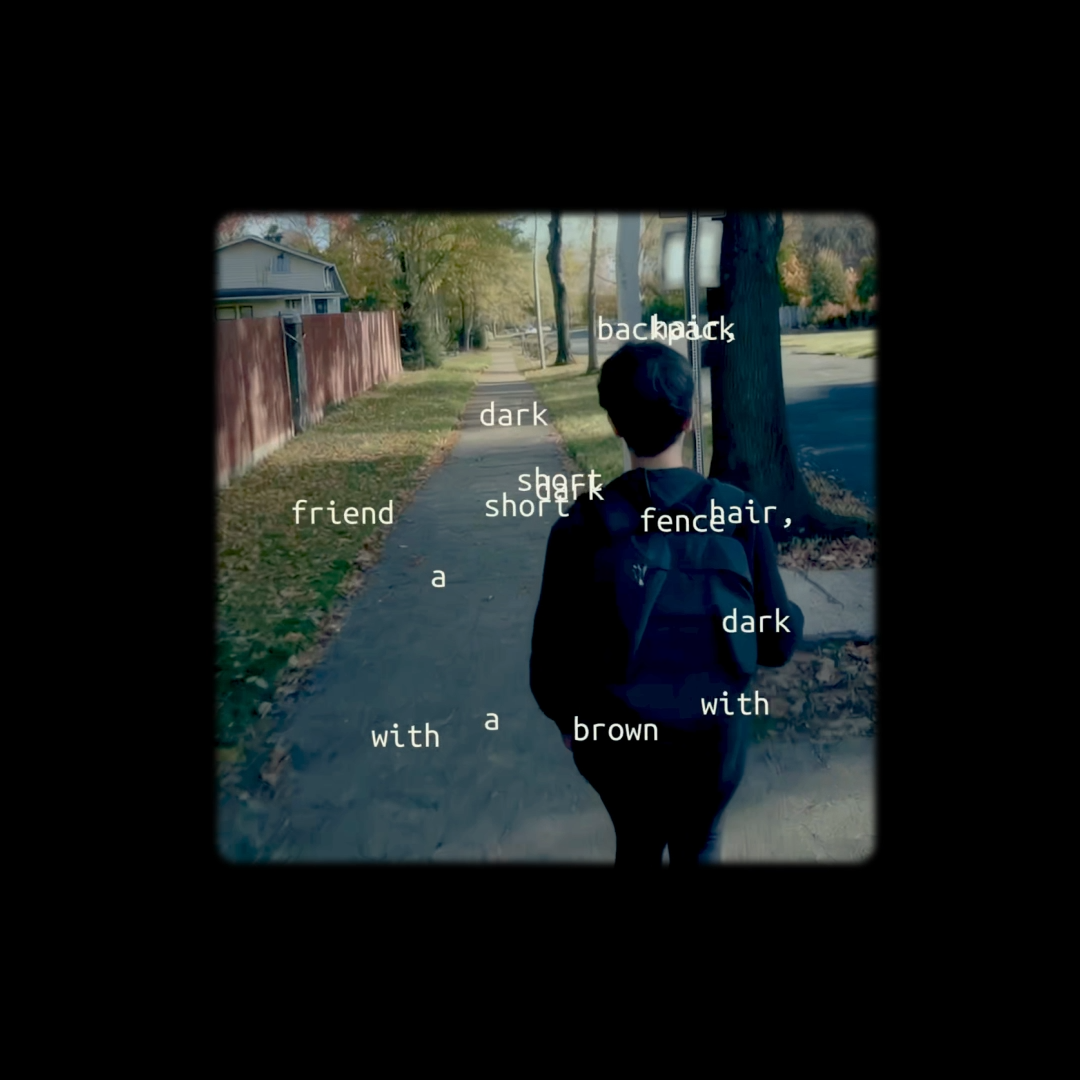
The Recall Archive is the first step in exploring how we can use creative technology with intention and purpose.
Instead of following trends focused on novelty and scale, we aim to spark meaningful conversations and curiosity. Our work is about creating tools and ideas that make a lasting social and cultural impact.
The hypothesis
Can AI tools help us ground and contextualize our memory recall to enhance presence and emotional connection to the present moment?
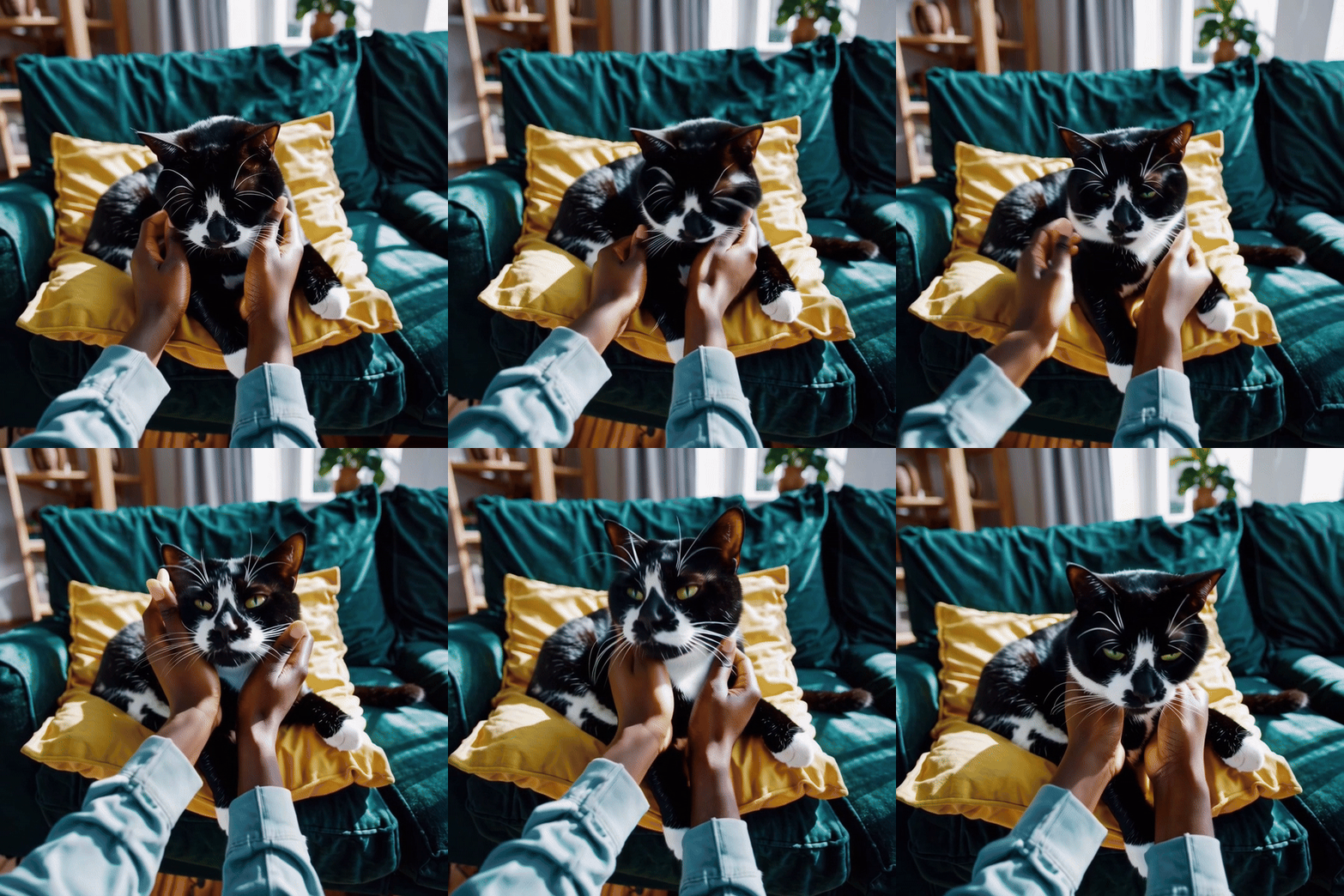
How it works
Using Meta Ray-Ban Smart Glasses, life’s moments are recorded hands-free, creating a natural video archive of daily life.

Digital recall of the memory is paired with biometrics from Fitbit and Whoop, and a self-recorded mood journal entry in Daylio.

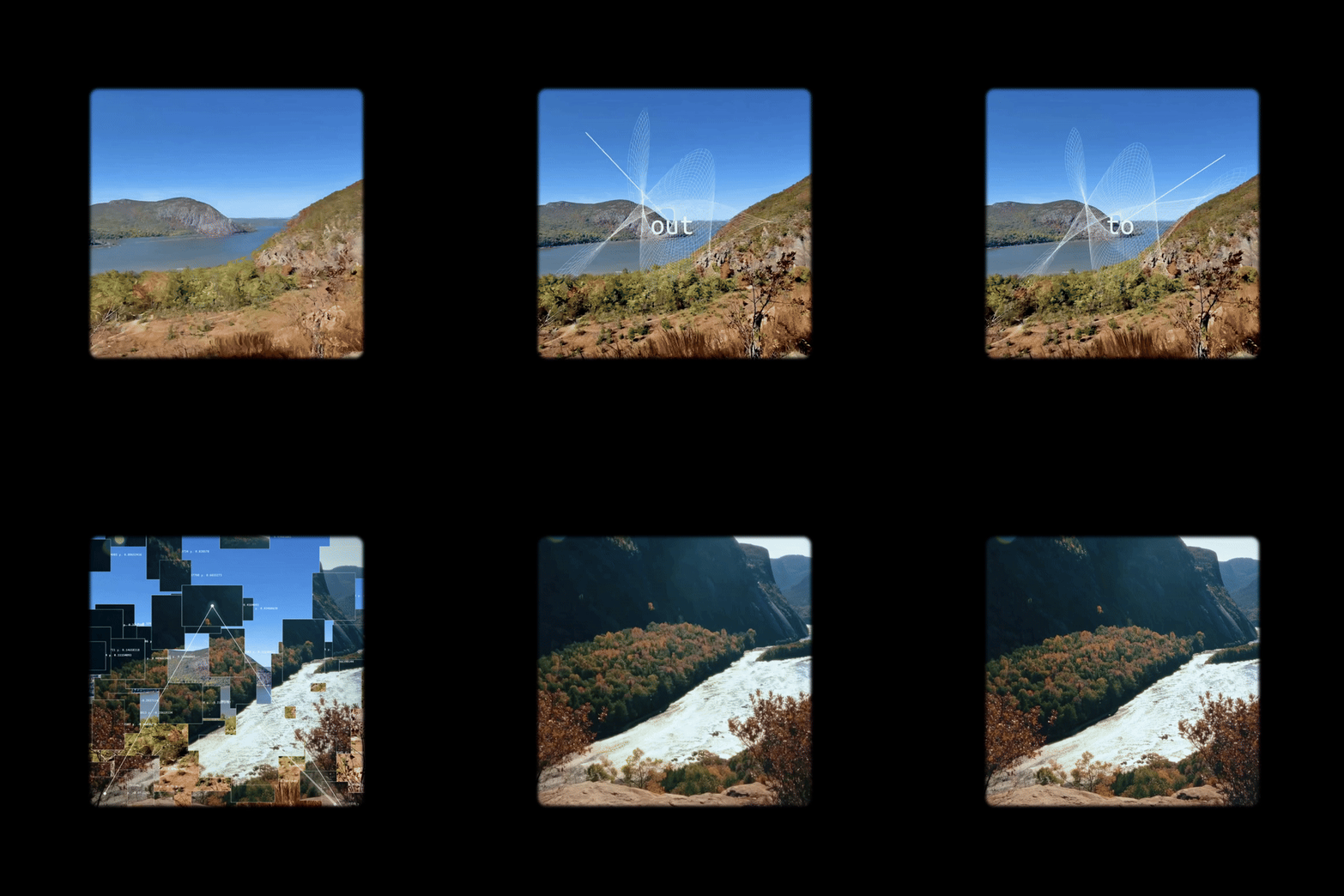
Using OpenAI’s Sora, the memory recall is used word-for-word as a text-to-video prompt before the original event is viewed again.
Insights from Phase 1
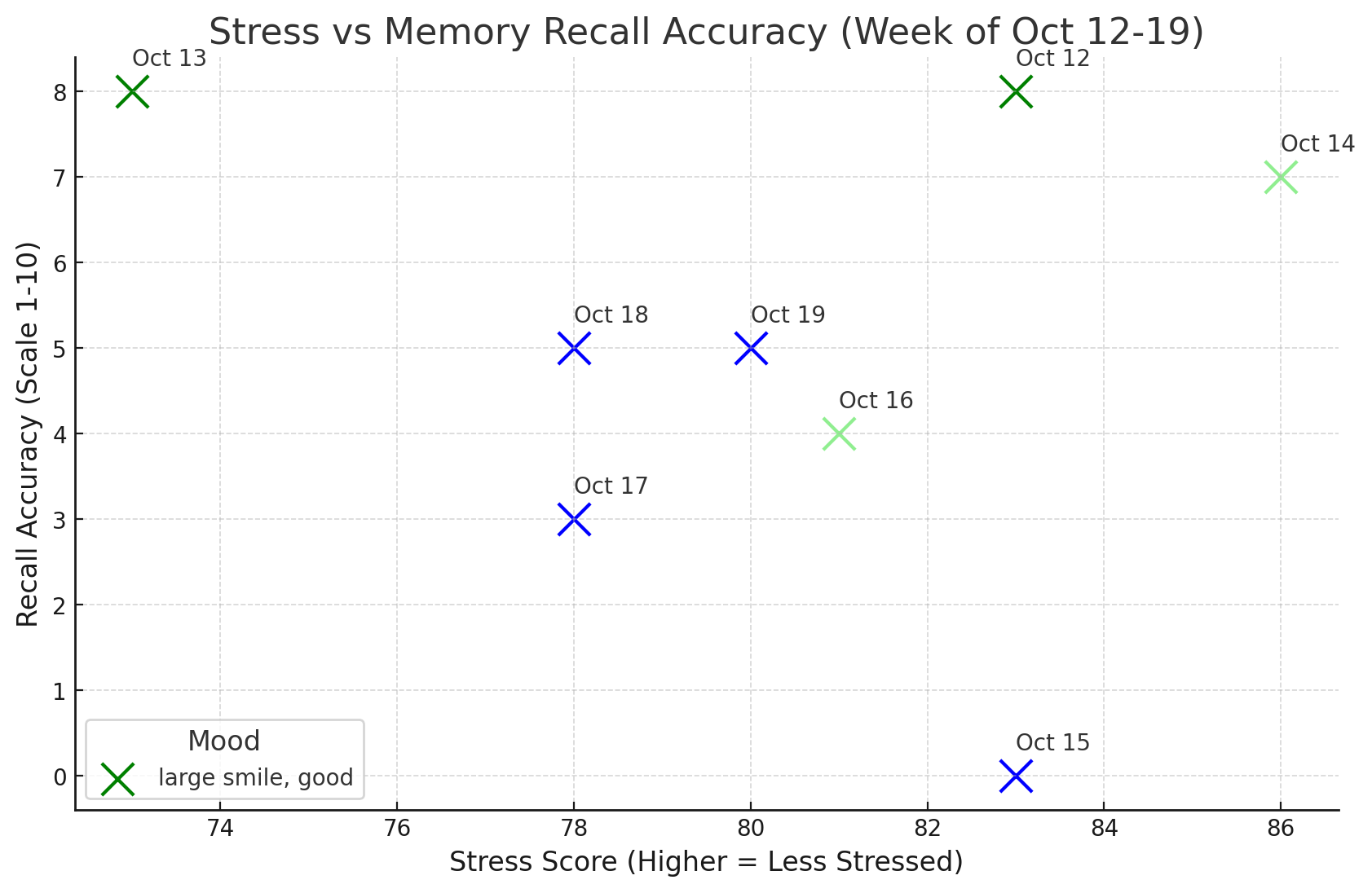
Stress ↔ Recall Accuracy Lower stress scores generally align with better recall accuracy.
Mood ↔ Recall Accuracy More positive moods correspond to better recall accuracy.
Personal insights
Visual Cues: Alexia’s most accurate recall moments often involved vivid visual details, such as sunlight reflecting off surfaces or specific aspects of someone’s clothing. These sensory-rich memories seemed to serve as powerful anchors, linking her present experience more strongly to her recall ability.
Takeaway: This highlights the potential of grounding ourselves in sensory details to enhance the vividness and memorability of our experiences. By engaging more intentionally with our surroundings, we can make moments more distinct and easier to recall later.
Why this matters
In a world where digital distractions and negative bias dominate our present, The Recall Archive seeks to reconnect us with our lived experiences.
It emphasizes experiencing life fully and recalling it meaningfully.
Continue exploring